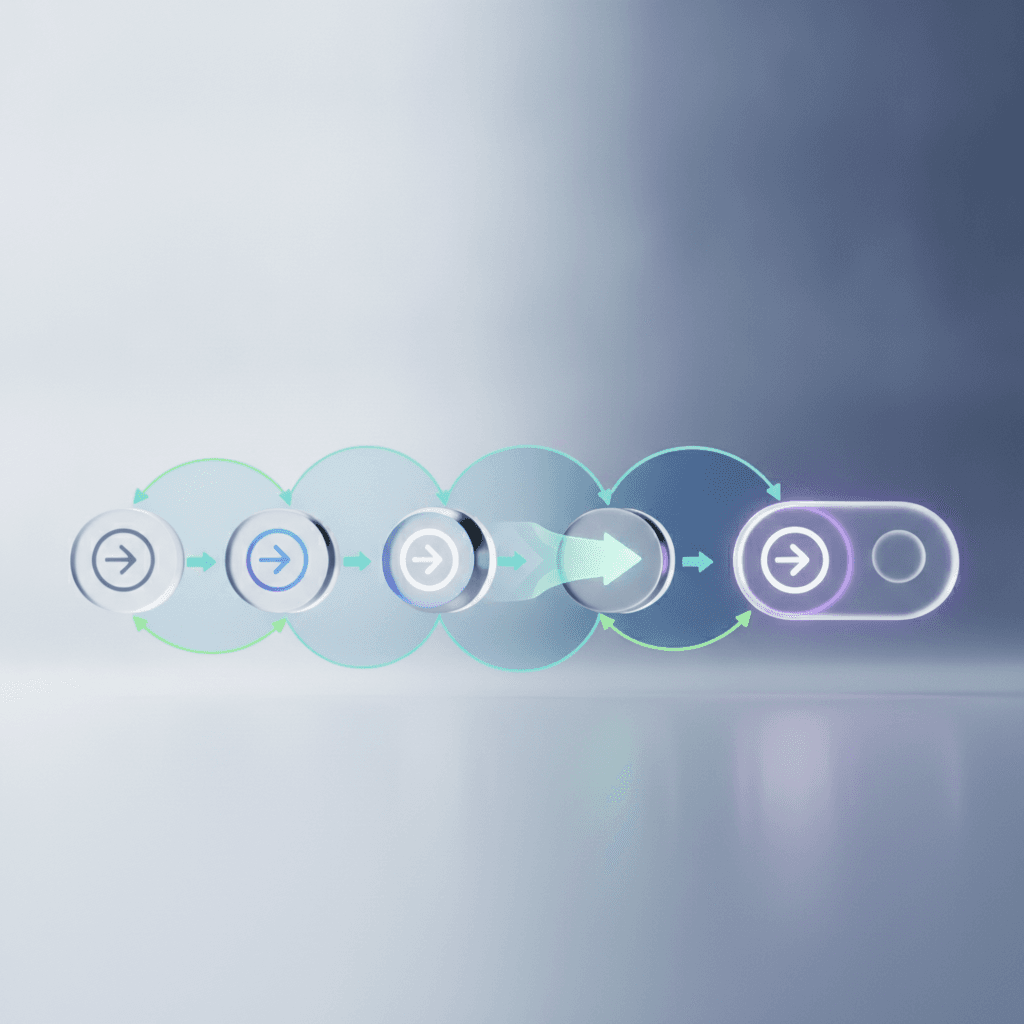
In the world of product development, a design system is often celebrated as a foundational asset, a single source of truth that streamlines workflows and ensures consistency. However, viewing a design system as a static artifact, once built and then merely maintained, misses its true potential. A truly effective design system is not a finished product; it's a living, breathing entity that must evolve alongside the products it serves, the teams that use it, and the technologies it embraces.
To harness this dynamic nature, we must adopt a lifecycle approach to design systems. This perspective acknowledges that a system, much like a product, moves through distinct phases from its inception to its maturity, and sometimes even reinvention. Understanding these stages allows teams to anticipate challenges, plan for growth, and proactively adapt their system to remain a valuable and indispensable resource.
The Static vs. The Dynamic: Why Evolution Matters
Many teams successfully launch a design system, but the real challenge begins after deployment. Digital products and user expectations are constantly shifting. New platforms emerge, accessibility standards evolve, and brand identities subtly (or dramatically) change. A design system that doesn't keep pace quickly becomes an outdated burden rather than an accelerator. Components become irrelevant, documentation grows stale, and designers start bypassing the system, leading to the very inconsistencies it was meant to prevent.
The cost of a static system includes increased design debt, slower development cycles, and a fragmented user experience. Conversely, a dynamic system, one that's designed for continuous evolution, empowers teams to respond to change with agility, maintain high quality, and ensure the system remains a central pillar of product development rather than a historical archive.
Phase 1: Initiation and Foundation
Every great design system starts with a clear vision and a solid foundation. This initial phase involves defining the system's core purpose, identifying key stakeholders, and establishing a shared language. It's crucial to start small, focusing on the most common components and patterns that will yield immediate value and demonstrate the system's potential. This might include foundational elements like typography, color palettes, spacing, and a handful of essential UI components such as buttons or input fields.
Securing cross-functional buy-in – from design, engineering, and product leadership – is paramount. This ensures that the system is seen as a shared asset, not just a design tool, and that resources are allocated for its development and ongoing maintenance. Establishing clear governance and contribution models, even if rudimentary, at this stage sets the groundwork for future scalability.
Phase 2: Growth and Expansion
Once the foundational elements are established and adopted by initial teams, the system enters a growth phase. This is where components and patterns are added to address a wider range of product needs. Expansion should be data-driven and user-centric, identifying commonalities across existing products and anticipating future requirements. It's not about building every conceivable component, but rather prioritizing those that offer the most impact and solve recurring problems for product teams.
- Regularly audit existing products and new features to identify emerging patterns and component needs.
- Establish clear and accessible contribution guidelines, empowering product teams to propose or even build new components under system guidance.
- Prioritize new component development based on demand, strategic impact, and alignment with system principles.
- Cultivate a robust feedback loop with system users to understand their pain points and areas for improvement.
- Invest in comprehensive documentation, code examples, and training to ensure broad adoption and correct usage.
During expansion, maintaining consistency and quality becomes more complex. Robust governance, including regular reviews and a clear decision-making process for new additions or modifications, is essential to prevent the system from becoming bloated or inconsistent.
Phase 3: Maintenance and Adaptation
Even a mature design system requires continuous care. The maintenance and adaptation phase is ongoing, focusing on refining existing components, improving performance, and ensuring the system remains relevant in a changing technological landscape. This includes addressing bug reports, optimizing component code for efficiency, and updating styles to reflect minor brand refreshes or accessibility improvements.
Adaptation also means integrating new technologies or platforms. For instance, if your organization adopts a new frontend framework, the design system needs a strategy to support it, whether through parallel libraries or migration plans. Deprecation of components is also a crucial part of this phase. Components that are no longer used or have been superseded by better solutions should be clearly marked, with guidance provided for migration, to keep the system lean and effective.
Phase 4: Reinvention and Sunset (When Necessary)
While continuous adaptation is ideal, sometimes a design system reaches a point where incremental changes are no longer sufficient. Major shifts in business strategy, fundamental technological overhauls, or a complete brand reinvention might necessitate a significant overhaul or even the sunsetting of an existing system in favor of a new one. This phase is less about minor tweaks and more about strategic re-evaluation.
Recognizing when to reinvent is key. Indicators might include widespread dissatisfaction among users, a significant divergence between the system and product needs, or the inability to support new strategic directions. Reinvention can be a daunting process, often involving parallel development of a new system while the old one is phased out. Sunsetting a system, while rare, is a strategic decision made when a system no longer provides value and its continued maintenance is a drain on resources, often replaced by an entirely new approach.
Fostering a Culture of System Stewardship
Beyond the technical workflows and component libraries, the true success of an evolving design system lies in the culture that surrounds it. A design system is a shared responsibility, and fostering a sense of stewardship among all contributors and consumers is vital. This means promoting empathy for system users, encouraging open communication, and celebrating contributions from across disciplines.
Building a strong community around the design system through regular syncs, open forums, and transparent roadmaps helps maintain engagement and ensures that the system truly serves the needs of its users. When everyone feels invested in the system's health and evolution, it transforms from a mere set of tools into a powerful enabler of consistent, high-quality product experiences.
A design system is not a project with a defined end date, but rather an ongoing product that requires continuous care, strategic planning, and adaptive management. Its lifecycle is intertwined with the products it supports, making its evolution a critical factor in the success of any organization's digital initiatives.
By embracing a lifecycle approach, teams can move beyond the initial launch excitement to build truly sustainable and scalable design systems. This perspective ensures that the system remains a valuable asset, continuously evolving to meet new challenges and empower designers and developers to create exceptional user experiences for years to come.
Sources & Further Reading
- Design Systems 101 — Nielsen Norman Group
- The Lifecycle of a Design System: From Creation to Evolution — Interaction Design Foundation
- Design system — Wikipedia