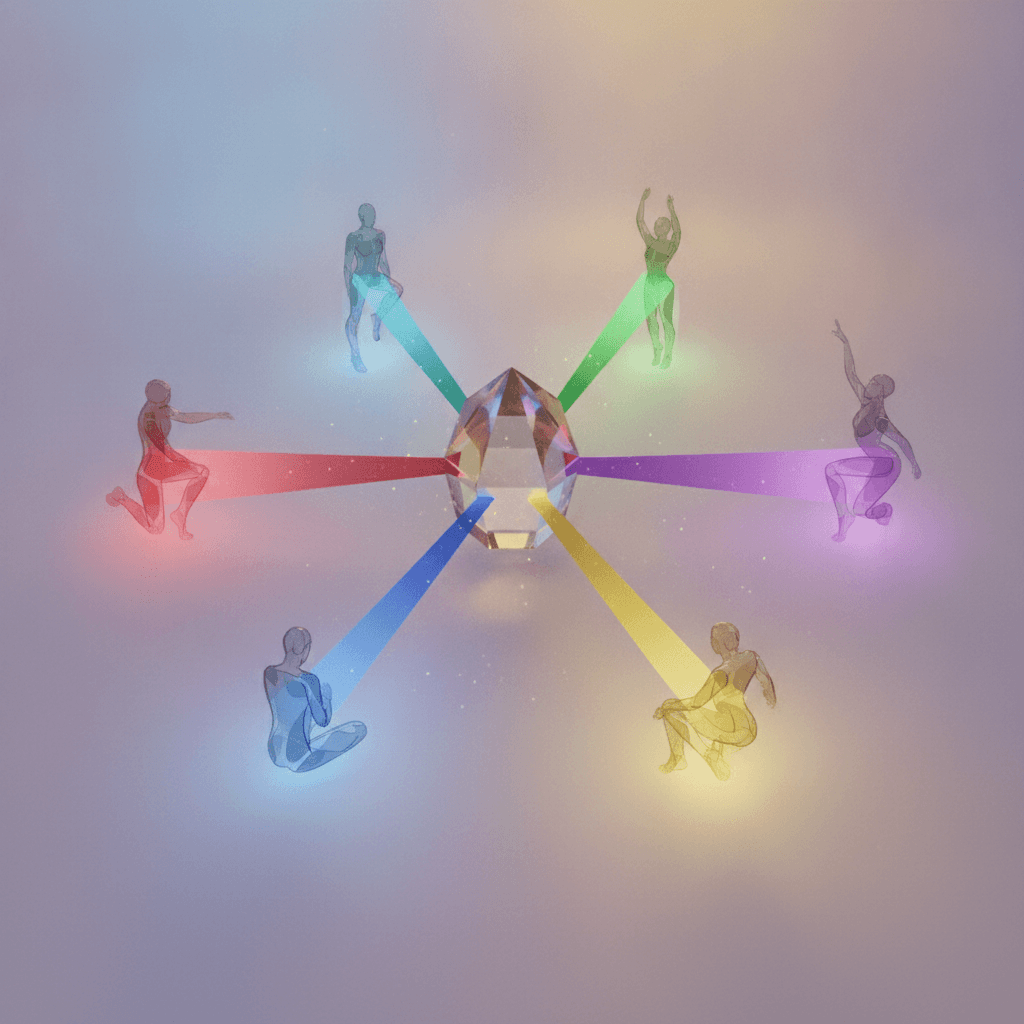
Personas are a cornerstone of user-centered design, serving as archetypes that represent the diverse needs and behaviors of our target users. They help teams empathize with users, make informed design decisions, and align on a shared vision for the product. However, many personas fall short of their full potential, often becoming static descriptions filled with basic demographic data that offers little actionable insight for design.
The true power of a persona lies not just in defining *who* a user is, but in deeply understanding *why* they do what they do, *how* they interact with their world, and the *context* in which their needs arise. This article will guide you beyond surface-level demographics, showing you how to build rich, actionable contextual information that transforms your personas into invaluable tools for creating truly impactful user experiences.
The Problem with Demographics-Only Personas
Demographics – age, gender, income, occupation, location – provide a basic snapshot of a user group. While they can be useful for market segmentation or initial targeting, they are inherently limited when it comes to informing design. Knowing a user's age tells you nothing about their digital literacy, their daily frustrations, or their underlying motivations for using a product.
Imagine two individuals: both 35-year-old marketing managers living in the same city with similar incomes. One might be a tech-savvy early adopter constantly seeking new tools to optimize their workflow, while the other might be a cautious user who prefers established solutions and values simplicity above all else. Relying solely on demographics would lump these two distinct users together, leading to a generic design that satisfies neither effectively. Demographics describe a person; they don't explain their relationship with a problem or solution.
What is 'Actionable Context'?
Actionable context refers to the deeper layers of understanding about a user's environment, motivations, behaviors, attitudes, and challenges that directly inform *what* to design and *how*. It moves beyond the superficial 'who' and delves into the 'why,' 'how,' and 'where' of user interactions. This context is what allows a design team to anticipate needs, predict behaviors, and create solutions that resonate deeply with users' real-world experiences.
Think of it this way: demographics give you a blueprint of a house, but actionable context tells you who lives there, how they use each room, what their daily routines are, what challenges they face, and what makes their house a home. Without this deeper understanding, you might design a beautiful house that simply doesn't meet the inhabitants' fundamental needs or preferences.
Key Dimensions of Actionable Context
To build truly actionable personas, you need to explore various contextual dimensions that shape a user's experience. These insights reveal the nuances that demographics often obscure, painting a holistic picture of the user within their specific problem space. Focusing on these dimensions transforms your personas from static descriptions into dynamic tools for ideation.
- Goals & Motivations: What specific outcomes are users trying to achieve? What drives their behavior? Are they seeking efficiency, connection, entertainment, or problem-solving?
- Behaviors & Habits: How do users currently accomplish tasks related to your product or problem space? What are their routines, existing workflows, or workarounds? What digital or physical tools do they already use?
- Pain Points & Frustrations: What obstacles, inefficiencies, or dissatisfactions do users encounter in their current methods? What makes them unhappy or prevents them from achieving their goals?
- Attitudes & Beliefs: What are users' perceptions, values, and opinions about the problem, potential solutions, or technology in general? Are they open to change, skeptical, or enthusiastic?
- Environment & Tools: Where and under what conditions do users interact with the product or problem? What physical or digital environment are they in? What other tools, devices, or people are typically present?
- Information Needs: What information do users seek, when, and how? What questions do they have? Where do they currently go for answers, and how satisfied are they with those sources?
Each of these dimensions provides a rich vein of information that directly informs design decisions. For example, understanding a user's 'pain points' allows you to identify opportunities for relief, while knowing their 'environment' helps you design for specific constraints or opportunities.
Gathering Rich Contextual Data
Moving beyond demographics requires a shift in research methods. While surveys can offer quantitative data, qualitative methods are essential for uncovering the 'why' behind user actions. This is where you roll up your sleeves and engage directly with users in meaningful ways.
Contextual inquiry stands out as a powerful method. This involves observing and interviewing users in their natural environment as they perform tasks relevant to your problem space. Instead of asking hypothetical questions in a lab, you witness real-world behaviors and can ask follow-up questions like, 'Why did you do that?' or 'Tell me more about what you just experienced.' This direct observation reveals unspoken needs and subtle environmental influences that users might not even articulate themselves.
Other invaluable methods include in-depth user interviews (semi-structured conversations that allow for exploration of emerging themes), diary studies (where users log their experiences over time, capturing behaviors and feelings in the moment), and ethnographic studies (immersive research that seeks a deep understanding of cultural or social contexts). The key is to get as close to the user's natural experience as possible.
Synthesizing Context into Actionable Personas
Once you've gathered your rich contextual data, the next step is synthesis. This isn't just about compiling bullet points; it's about identifying patterns, uncovering insights, and crafting a compelling narrative for each persona. Your persona should tell a story that brings the user to life for your team.
Beyond a name and a photo, a context-rich persona should include a narrative summary of their background and situation, a clear articulation of their key goals and motivations (not just job responsibilities), specific pain points related to their context, current behaviors and workarounds they employ, and perhaps even direct quotes that capture their attitude or perspective. Crucially, it should also outline scenarios or use cases that demonstrate how this persona would interact with a potential solution, highlighting their needs and potential challenges.
The ultimate goal is to create a persona that is digestible, memorable, and actionable for your entire team. It should serve as a constant reference point, inspiring discussions and guiding design decisions, ensuring that every feature and interaction is grounded in a deep understanding of the user's real-world context.
Moving beyond basic demographics to build actionable persona context is a critical step in maturing your UX practice. It transforms personas from mere descriptions into powerful tools for empathy, ideation, and strategic decision-making. By investing in qualitative research and truly understanding the 'why' and 'how' of user behavior within their unique environments, you empower your team to design solutions that are not just functional, but truly meaningful and impactful. Remember, great design doesn't just address a task; it understands a life.
Sources & Further Reading
- Empathy Mapping: A Guide to Understanding Your Users — Interaction Design Foundation
- Personas: A Simple Introduction — Interaction Design Foundation
- Persona (user experience) — Wikipedia