In the fast-paced world of product development, design teams often juggle multiple projects, tight deadlines, and evolving requirements. Without a clear framework, this can quickly lead to inefficiencies: duplicated effort, missed steps, communication breakdowns, and design outcomes that fall short. The allure of agility can sometimes be misinterpreted as a license for chaos, sacrificing the clarity essential for effective design.
Yet, a structured design process isn't about rigid bureaucracy; it's about creating a predictable path that fosters creativity, collaboration, and consistent quality. It empowers your team to deliver impactful experiences more reliably. If you've felt the pain points of an unstructured approach, this article will guide you in championing its adoption within your team.
The Hidden Costs of Design Chaos
An ad-hoc design approach might seem flexible, but its hidden costs significantly impact projects and team morale. Picture iterations driven by subjective feedback instead of user insights, or handoffs consistently delayed due to unclear specifications. These are symptoms of a lack of process. Teams often get caught in rework cycles, fixing preventable issues instead of innovating.
Beyond tangible delays, design chaos erodes team confidence and fosters frustration. Designers may feel undervalued, constantly reacting to problems rather than proactively shaping solutions. This environment hinders maintaining quality, scaling operations, or accurately estimating timelines, ultimately compromising the user experience with fragmented product journeys.
What Does a "Structured" Design Process Look Like?
A structured design process isn't a rigid methodology, but a shared understanding of how your team moves from problem identification to solution delivery. It defines clear stages, expected outputs, and roles. Think of it less as a straitjacket and more as a well-mapped journey, allowing for exploration within a known route. It provides guardrails, empowering creative freedom within a predictable framework.
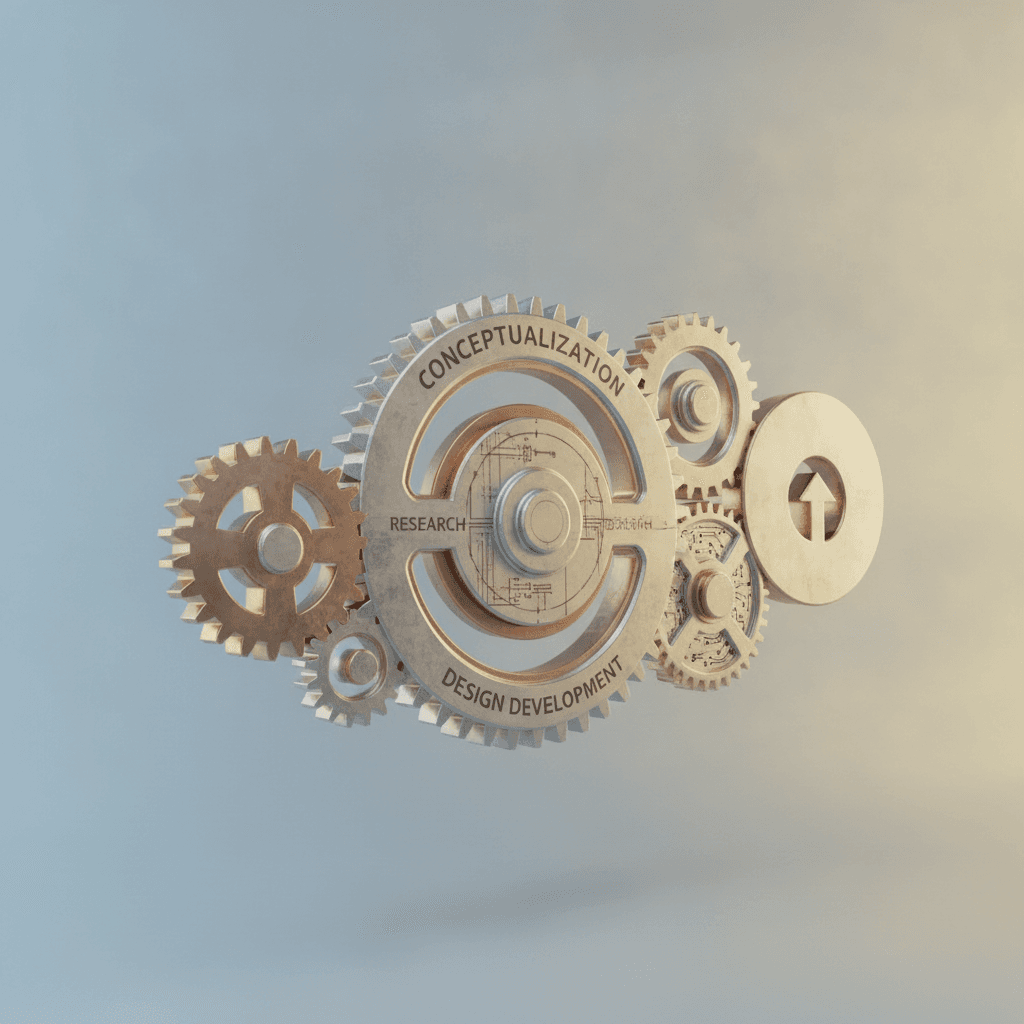
At its core, a structured process typically involves phases like Discovery, Ideation, Prototyping, Testing, and Implementation/Iteration. Each phase has a purpose, expected inputs, and clear deliverables, ensuring decisions are informed and progress is measurable. This clarity reduces ambiguity and aligns stakeholders on what to expect, leading to more predictable and successful outcomes.
Building Your Case: Data and Diplomacy
Championing a structured process demands a compelling case for change. Start by gathering evidence of current inefficiencies: reviewing post-mortems, collecting feedback, or documenting rework. Quantify impact where possible: 'This project incurred X hours of rework due to unclear requirements,' or 'We saw a Y% increase in user complaints related to inconsistent UI.'
Frame your proposal around shared goals. Highlight how a structured process benefits design, product, engineering, and the business. Focus on outcomes like faster time-to-market, improved quality, better morale, and increased user satisfaction. Present solutions, not just problems, and engage diplomatically, understanding different perspectives.
- Identify specific pain points with concrete examples.
- Research and present industry best practices.
- Propose incremental, manageable changes.
- Clearly articulate benefits for all stakeholders.
- Actively listen to concerns and adapt your proposal.
Starting Small: Incremental Implementation
Introducing a new process can feel overwhelming, so don't try to implement everything at once. Identify one or two high-impact areas where a structured approach could yield immediate, visible benefits. Perhaps standardize user research, create a clearer design handoff checklist, or implement a consistent feedback loop with engineering. Demonstrate early success to build momentum.
Propose running a pilot project using the new, structured approach. Document the steps, assign clear responsibilities, and meticulously track outcomes. Gather feedback: What worked well? What could be improved? This iterative approach refines the process, addresses challenges, and builds a stronger case for broader adoption based on tangible results, not just theoretical promises.
Sustaining Momentum: Tools, Training, and Culture
Once initial successes are achieved, sustaining momentum is key. Leverage tools that support your structured process, such as design system libraries for consistent UI, project management software for tracking stages, or collaboration platforms for streamlined feedback. These tools are powerful enablers, ensuring adherence to defined steps.
Beyond tools, invest in ongoing training and clear documentation. Onboard new team members to the process, and regularly review and refine it. Foster a culture where process improvement is everyone's responsibility. Celebrate successes, share learnings, and continuously communicate the 'why' behind the structure, transforming design into a strategic, proactive discipline.
Sources & Further Reading
- Design Thinking — Interaction Design Foundation
- User-centered design — Wikipedia
- The 5 Stages in the Design Thinking Process — Interaction Design Foundation