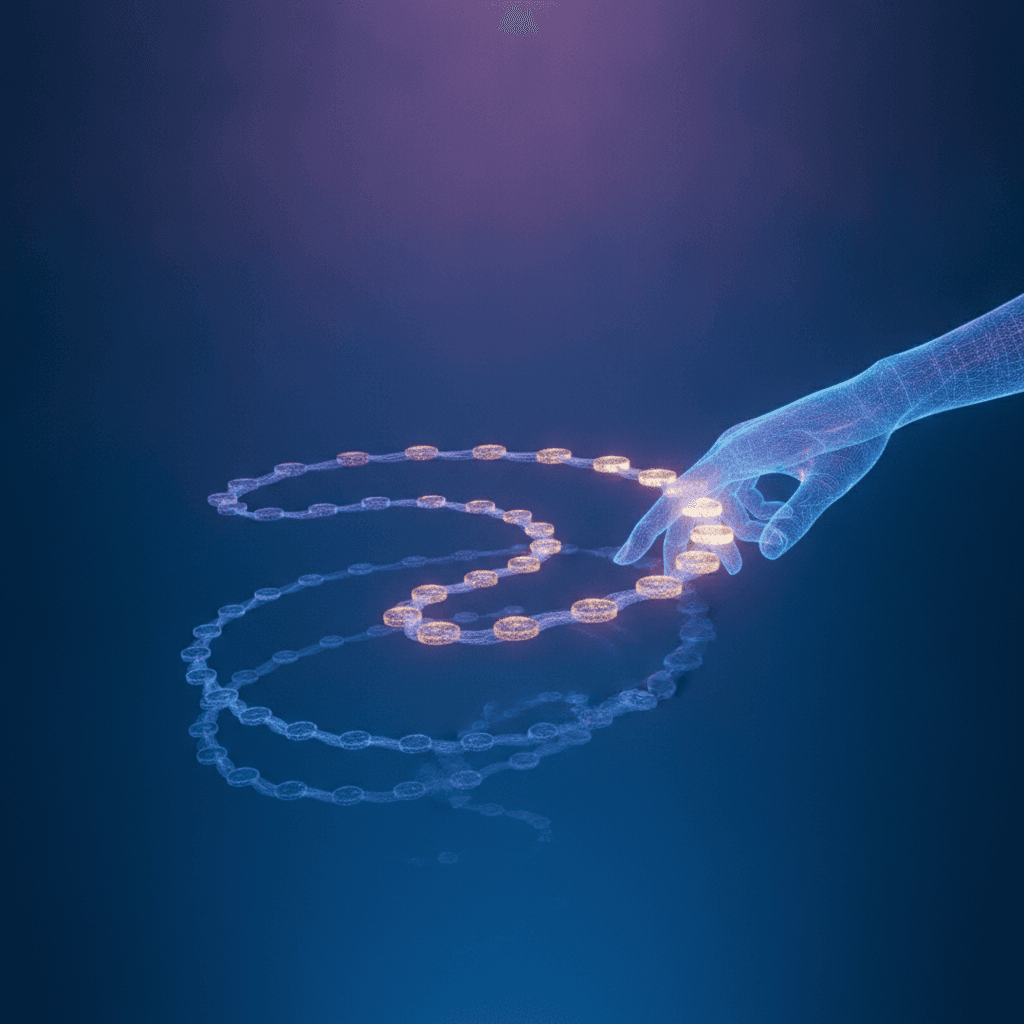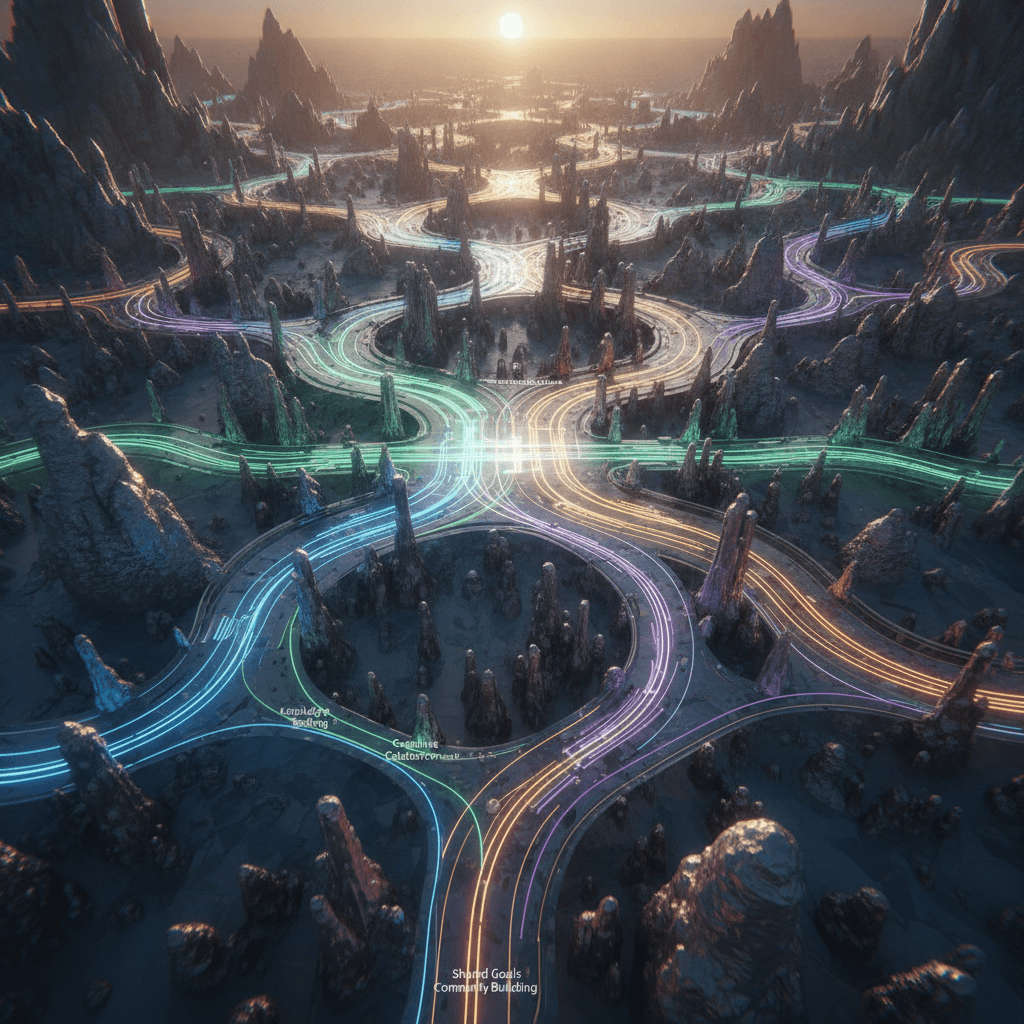
In UX design, flows and journeys describe user paths. However, simply mapping steps isn't enough; true understanding comes from delving into the 'why' behind each action. This 'why' is user intent, the invisible thread connecting every click, swipe, and decision a user makes.
Mapping user intent across these flows and journeys is crucial for creating intuitive, efficient, and genuinely helpful experiences. It moves us beyond just designing a functional interface to crafting meaningful interactions. By identifying what users are trying to achieve, what motivates them, and what obstacles they face, we can design solutions that resonate and guide them effortlessly towards their goals.
What Exactly is User Intent?
User intent goes beyond a simple task. A user might 'add an item to a cart,' but their intent could be 'to quickly buy a gift,' 'to compare prices,' or 'to save for later.' It’s the underlying goal, motivation, or desired outcome driving an interaction. Understanding this deeper 'why' allows designers to anticipate needs, remove friction, and provide relevant information at the right moment.
Without grasping intent, we risk designing features that are functional but fail to address the user's true underlying need. It's the difference between building a door and building a welcoming entrance; one considers the user's purpose more deeply.
The Difference Between Flows and Journeys
While often used interchangeably, 'flows' and 'journeys' represent different scopes. A 'flow' is a specific, contained sequence of steps within a product, typically focused on completing a single task or sub-task, like signing up or resetting a password. These are often linear and product-centric.
A 'journey,' on the other hand, is a broader, holistic view of a user's experience over time, often spanning multiple channels and emotional states. It might begin long before product interaction (e.g., researching a problem) and extend through usage and post-achievement. Journeys are user-centric, encompassing the entire ecosystem.
Mapping intent for flows optimizes immediate interaction for efficiency. Mapping intent for journeys means understanding the evolving motivations and needs that guide a user through a much larger, often non-linear, narrative.
Strategies for Uncovering User Intent
Uncovering user intent requires moving beyond assumptions and engaging directly with your audience. It involves a blend of qualitative and quantitative research methods designed to reveal not just what users do, but why they do it, and what they hope to achieve.
- Active Listening & Probing Questions: During interviews, ask 'why' repeatedly. Dig deeper into motivations, feelings, and past experiences.
- Contextual Inquiry: Observe users performing tasks in their natural environment. This reveals unspoken behaviors, workarounds, and environmental factors.
- Analyzing Search Queries & Support Tickets: What terms do users search for? What problems do they report? These indicate unmet needs and underlying intentions.
- Observational Studies: Watch users interact with prototypes or live products without interference. Note hesitation, confusion, or unexpected navigation.
- Persona Development with an Intent Focus: Define core intentions, motivations, and pain points for each persona. What are their primary goals with your product?
Mapping Intent Across Micro-Flows
Within a specific flow, user intent isn't static; it evolves. In an e-commerce checkout, initial intent might be 'to buy this item.' This shifts to 'to pay securely,' then 'to confirm shipping,' and finally, 'to receive confirmation.' Each step should clearly support the user's current, evolving intent.
For each flow step, ask: 'What is the user trying to accomplish right now?' and 'What do they need to fulfill that intent?' Aligning UI elements with micro-intent reduces cognitive load and prevents frustration. For instance, clear payment option labels address the 'pay securely' intent directly.
Connecting Intent Through the Broader Journey
Mapping intent across the entire user journey requires a broader perspective. Consider how initial intent (e.g., 'I want to find a solution for X problem') leads to your product, evolves during first interaction, and changes over time as they become regular users. The journey includes pre-product research, onboarding, core usage, troubleshooting, and post-usage.
Think how a user's intent for 'managing personal finances' might start with 'see spending,' evolve to 'categorize transactions,' and later to 'plan for retirement.' Your product experience needs to anticipate and support these evolving intents, providing pathways aligning with changing needs. Consistent tone, brand promise, and value proposition across all touchpoints reinforces understanding, fostering trust and loyalty.
Sources & Further Reading
- Mental Models — Nielsen Norman Group
- User Journey Mapping — Interaction Design Foundation
- User Flows — Interaction Design Foundation
- User experience design — Wikipedia
- Information architecture — Wikipedia