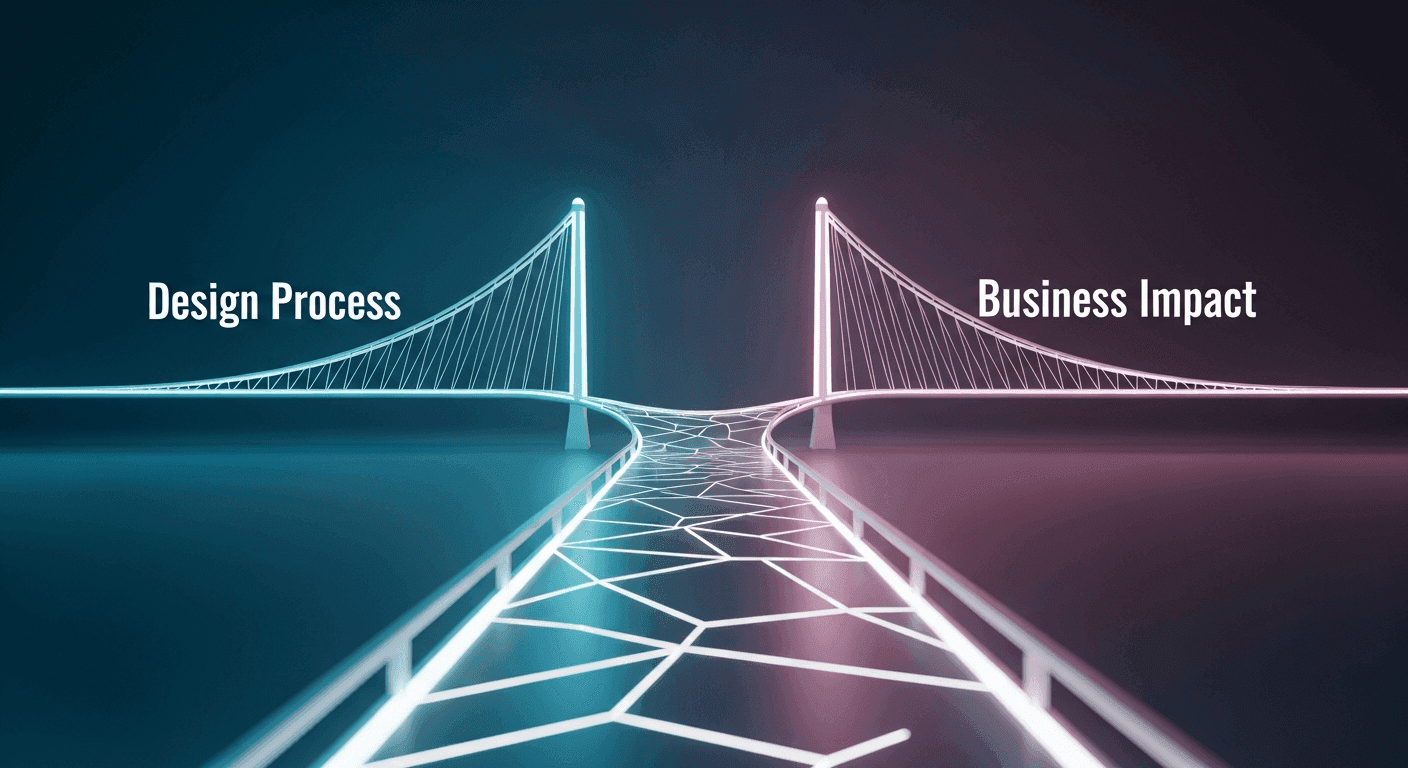
The designer's role has evolved dramatically. No longer confined to aesthetics, designers are now strategic partners embedded in core business objectives. Impactful design isn't just about beauty or usability; it's solving complex problems that directly contribute to business success, understanding the 'why' behind every decision.
Embracing this strategic dimension transforms designers from order-takers to value-creators. By leveraging our design processes—research, ideation, prototyping, testing—we possess a unique toolkit to identify opportunities, mitigate risks, and drive innovation. This article explores how designers can pivot to strategic influence, demonstrating craft's direct business impact.
Beyond the Pixels: Understanding the Strategic Shift
Historically, design was often a downstream activity, focused on surface-level functionality. This limited its potential. Now, with competitive markets and rising customer expectations, businesses recognize exceptional user experience as a critical differentiator, impacting acquisition, retention, and brand loyalty.
A strategic designer asks 'why are we building this, and what business problem does it solve?' They look beyond immediate features to underlying user needs and overarching business goals. This connects design outcomes to KPIs, understanding competitive landscape, market trends, and organizational capabilities, using design thinking to shape strategy.
Connecting Design Process to Business Goals
Our design processes are powerful strategic tools. User research uncovers market opportunities and validates business hypotheses early, saving development costs. Ideation and prototyping rapidly explore solutions and test viability, reducing risk. User testing provides objective data for decisions aligning with objectives like improving conversion or reducing support calls.
To leverage process strategically, designers must translate insights into business language. Frame usability reports as roadmaps to customer satisfaction, prototypes as streamlined operations. Every step offers an opportunity to articulate its contribution to the organization's bottom line.
- Reducing development risk through early validation.
- Improving customer retention via intuitive experiences.
- Increasing market share with innovative, user-centered solutions.
- Optimizing operational efficiency using clear internal tools.
- Enhancing brand perception and loyalty through consistent experiences.
The Language of Strategy: Communicating Value
To be recognized as a strategist, learn to speak business leaders' language: revenue, cost savings, market share, CLTV, ROI. Understanding these metrics and design's influence is crucial. Explain how a redesigned onboarding flow reduced drop-off rates, increasing potential subscribers, not just that 'it's easier.'
Present work as a direct answer to a business challenge, framing design choices as strategic investments. Quantify where possible, or clearly articulate qualitative business benefits. This proactive communication builds credibility, positioning design as an essential partner for organizational success.
Cultivating a Strategic Mindset
Developing a strategic mindset requires genuine curiosity about the broader organizational context. Understand your company's business model, revenue streams, competitive landscape, and long-term goals. Engage with colleagues from marketing, sales, and operations, always asking 'why' about business decisions.
This deep understanding allows you to anticipate challenges and proactively identify opportunities where design makes a difference. It connects disparate business parts and proposes solutions considering the full ecosystem. A strategic designer actively seeks the most impactful problems, aligning efforts with high strategic priorities.
Practical Steps to Elevate Your Strategic Influence
Be proactive. Bring strategic insights. In kick-offs, ask about business goals and success metrics. In presentations, connect solutions to those goals. Observe strategic planning. Offer competitive analyses from a UX perspective or research emerging trends' business implications.
Continuously build business acumen. Take online courses on business fundamentals. Mentor junior designers on strategic thinking. Advocate for design's role in strategy by consistently demonstrating its value. These actions solidify your reputation as a strategic partner.
Conclusion: Designers as Indispensable Strategic Partners
The journey from tactical implementer to strategic partner transforms designers and is invaluable for businesses. By connecting processes to objectives, speaking strategy, and understanding organizations, we elevate our craft beyond aesthetics. We become architects of value, influencing roadmaps and driving growth.
This shift unlocks greater career satisfaction and influence for designers. For businesses, it means unlocking design's full potential as a core strategic asset. Embrace this evolution, actively shaping your organization's future success.
Sources & Further Reading
- UX Strategy — Interaction Design Foundation
- Strategic management — Wikipedia
- Business Model Canvas — Wikipedia
- Design Leadership — Interaction Design Foundation